






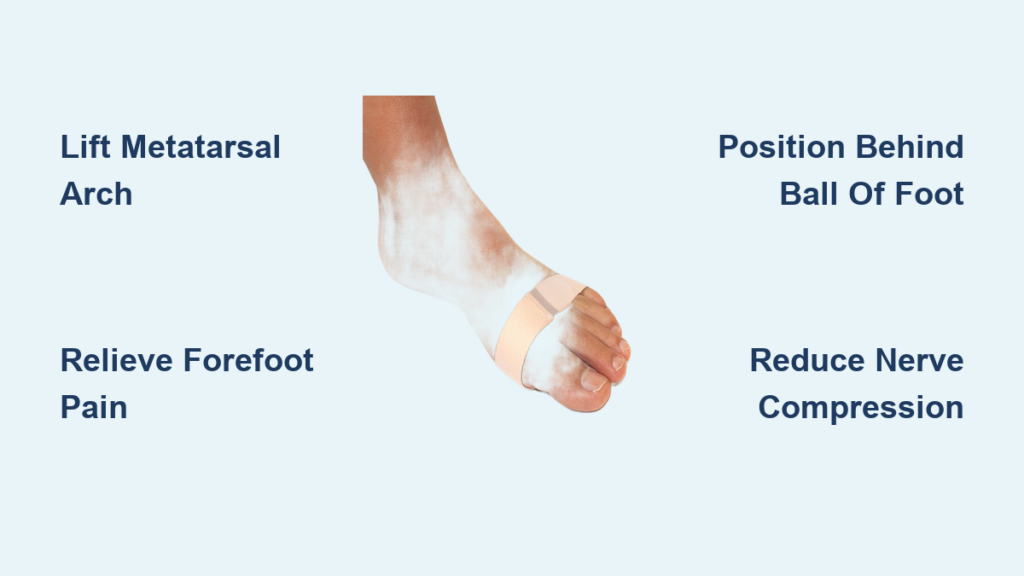
If you’ve ever felt like you’re walking on a pebble, a marble, or a crumpled sock under the ball of your foot, you’re likely experiencing forefoot pain—often caused by conditions like metatarsalgia or Morton’s neuroma. A metatarsal wrap for compression is a targeted, non-invasive solution designed to relieve this discomfort by lifting and supporting the transverse arch of the foot. Unlike general insoles or cushioned inserts, this device focuses specifically on the metatarsal heads—the bones just behind your toes—helping redistribute pressure, reduce nerve compression, and restore natural foot alignment.
Recommended by podiatrists and physical therapists, metatarsal wraps come in various forms: adhesive pads, compression sleeves, elastic bandages, and orthotic insoles. They’re used by athletes, healthcare workers, runners, and anyone spending long hours on their feet. Whether you have flat feet, fallen arches, or overuse injuries, understanding how a metatarsal wrap works—and how to use it correctly—can significantly improve comfort and mobility. This guide covers how these wraps function, where to place them, which conditions they help, and how to choose the best type for your needs.
How Metatarsal Wraps Relieve Forefoot Pain

Metatarsal wraps don’t just cushion—they reposition. Their primary function isn’t to press down on painful areas but to lift the metatarsal bones just behind the ball of the foot, allowing the joints to “fall off the edge” of the pad with each step. This subtle biomechanical shift reduces pressure on nerves and inflamed tissues, effectively resetting the forefoot’s natural alignment.
This is especially important when the transverse arch—the side-to-side curve across the ball of the foot—sags due to overuse, poor footwear, or structural issues. When this arch collapses, the metatarsal heads drop and bear excessive weight, leading to pain and inflammation. A properly placed wrap lifts this arch, separates the metatarsal bones, and prevents concentrated pressure on the second, third, and fourth metatarsal heads—the most common pain zones.
Pressure Redistribution Explained
The core mechanism of a metatarsal wrap is biomechanical realignment. By elevating the soft tissue just behind the painful area, the wrap creates space between the metatarsal bones, reducing compression on:
- Interdigital nerves (critical for Morton’s neuroma relief)
- Joint capsules
- Plantar fat pads
- Skin and soft tissues prone to calluses
This redistribution eliminates the sensation of walking on a foreign object, transforming painful steps into more comfortable ones. Instead of pressing into the ground, the metatarsal heads are allowed to glide over the lifted support, reducing strain with every movement.
Shock Absorption and Dynamic Support
Beyond lifting, many metatarsal wraps include gel inserts, EVA foam, or felt padding to enhance cushioning during activity. For example:
– Pro-Tec pads use firm EVA foam to absorb impact and reduce strain during walking or running.
– ZenToes and Brison sleeves integrate soft gel that moves with the foot, offering dynamic support throughout the gait cycle.
When combined with compression fabric, these materials stabilize the forefoot without restricting movement—ideal for all-day wear, athletic performance, or standing jobs.
Targeted Conditions and Pain Relief Benefits
A metatarsal wrap isn’t a universal fix—it’s engineered for specific forefoot issues. Knowing which conditions benefit most helps determine if it’s right for your pain.
Treats Metatarsalgia and Morton’s Neuroma
Metatarsalgia, or pain in the ball of the foot, is the most common condition addressed. Often caused by high-impact activity, tight shoes, or biomechanical imbalances, it leads to inflammation and soreness. A metatarsal wrap reduces load on the metatarsal heads, giving inflamed tissues time to heal.
For Morton’s neuroma, where a nerve between the third and fourth toes becomes compressed, the wrap’s ability to separate the metatarsal bones is crucial. This added space alleviates nerve pinching, reducing burning, tingling, or numbness.
Supports Fallen Metatarsal Arch and Bunion Pain
The transverse arch can collapse over time, especially in people with flat feet or ligament laxity. A wrap restores lift, preventing the “splayed foot” effect that increases pressure on the outer and inner edges of the forefoot.
Even with bunions (hallux valgus), a metatarsal wrap can help by offloading stress from the big toe joint and improving overall foot alignment.
Complements Plantar Fasciitis and Sesamoiditis Treatment
While plantar fasciitis primarily affects the heel, many sufferers also experience forefoot pain. Metatarsal wraps are often built into full-arch orthotics (like SOLE footbeds) to address both heel and ball-of-foot discomfort simultaneously.
For sesamoiditis—inflammation of the small bones beneath the first metatarsal head near the big toe—wraps with anterior padding can reduce pressure on the sesamoid bones, aiding recovery.
Best Placement: Behind, Not Under the Pain
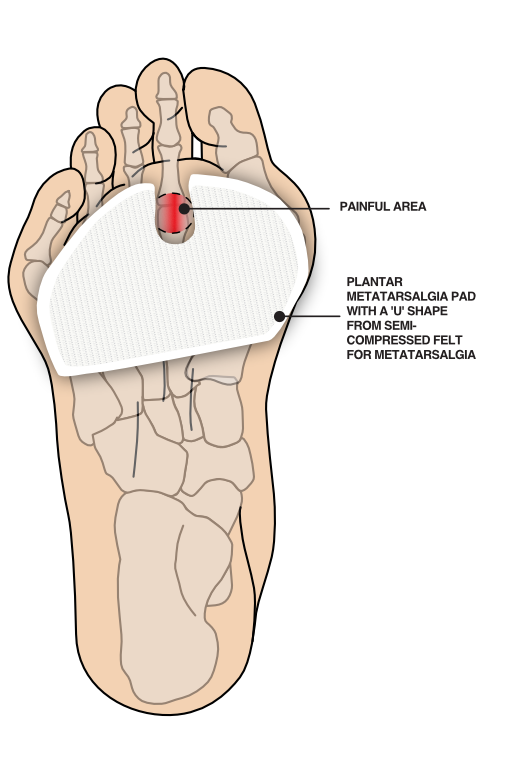
Correct positioning is non-negotiable. A misplaced pad can increase pain instead of relieving it. The golden rule: place the wrap or pad just behind the metatarsal heads—not directly under them.
Ideal Positioning Guidelines
- Position the pad ¼ inch (6 mm) in front of the arch support on your insole.
- For pain under the second toe, place the pad just behind the second metatarsal head.
- For generalized ball-of-foot pain, center the pad between the second and third metatarsal heads.
- Never let the pad press into the painful zone—its job is to support the area before it.
“The metatarsal pad should support the arch just behind the painful heads, not compress them directly.” — Article 3
Use the Lipstick Test for Accuracy
One foolproof method is the lipstick test:
1. Apply lipstick to the painful area of your foot.
2. Stand in your shoe and rock forward onto your toes.
3. Remove the shoe and check where the lipstick leaves the darkest mark—this is your high-pressure zone.
4. Place the pad so the mark is exposed, ensuring the pad supports just behind it.
This visual trick guarantees precise placement for maximum relief.
Types of Metatarsal Compression Solutions

Not all metatarsal wraps are the same. Each type offers different benefits depending on your lifestyle, footwear, and pain severity.
Adhesive Pads for Insoles
These peel-and-stick pads (e.g., Pro-Tec, Tread Labs) attach directly to removable insoles. They’re low-profile, discreet, and transferable between shoes.
- Pros: Reusable, customizable placement, works with any shoe
- Cons: May lose stickiness over time; not ideal for non-removable insoles
Compression Sleeves with Gel Pads
Products like ZenToes or Copper Fit offer full-foot or partial sleeves with built-in gel cushions over the forefoot.
- Pros: Reusable, washable, no insole modification needed
- Cons: May feel warm; less precise than insole-based pads
Elastic Bandages with Integrated Pads
Wraps like the Pedifix P6002 combine an elastic bandage with a fixed metatarsal cushion.
- Pros: Adjustable compression, portable
- Cons: Can slip; mixed user reviews on comfort and quality
Orthotic Insoles with Built-In Met Pads
Brands like SOLE and Tread Labs offer pre-molded insoles with fixed or modular metatarsal pads.
- Pros: Clinically proven support, heat-moldable options, long-term use
- Cons: Higher cost; less flexibility in pad positioning (unless modular)
Choosing the Right Thickness and Fit
Using a pad that’s too thick can make your shoe feel cramped. One that’s too thin won’t provide enough lift. Finding the sweet spot matters.
Pad Thickness by Size and Need
- Tread Labs offers:
- 2mm (Small): For mild support or narrow shoes
- 4mm (Medium): Most common for average arches
- 6mm (Large): For significant arch collapse or high-impact use
- Pro-Tec offers Medium (Men 7–10, Women 5–11) and Large (Men 10.5+, Women 11.5+)
“Too thick feels crowded; too thin offers no relief.” — Article 3
Shoe Compatibility Tips
- Works best in shoes with removable insoles for easy pad integration
- Avoid using thick pads in tight or low-volume shoes (e.g., dress shoes)
- Ensure the wrap or pad doesn’t alter your foot’s natural position or cause toe crowding
Who Should Use (and Avoid) Metatarsal Wraps
While highly effective for many, metatarsal wraps aren’t suitable for everyone.
Recommended For:
- Runners and athletes with forefoot overuse
- People with flat feet or transverse arch collapse
- Office workers or healthcare staff on their feet all day
- Those with Morton’s neuroma or metatarsalgia seeking non-surgical relief
Not Recommended For:
- Diabetics: Due to reduced sensation, improper use can lead to pressure sores
- Open wounds or infections: Compression may worsen skin conditions
- Severe peripheral neuropathy: Lack of feedback increases injury risk
- Latex allergies: Some products (e.g., Svorto, Pro-Tec) contain natural rubber—check labels
California Proposition 65 Warning: Some Pro-Tec products contain cumene, a chemical known to cause cancer. Review safety data before use.
How to Start Using a Metatarsal Wrap Safely
Jumping in too fast can cause discomfort. A gradual approach ensures adaptation.
Begin with Short Wear Times
- Start with 1–2 hours per day
- Gradually increase to full-day use over 5–7 days
- Stop if pain increases or new discomfort appears
Use Bilaterally for Balance
Even if only one foot hurts, apply the wrap to both feet. This maintains symmetrical gait and prevents compensatory strain.
Monitor for Skin Irritation
Check skin daily for redness, blisters, or pressure marks. If irritation occurs:
– Reposition the pad
– Try a thinner option
– Switch to a non-adhesive sleeve
Maintenance and Care by Type
Proper care extends life and hygiene.
| Type | Cleaning Method |
|---|---|
| Adhesive Pads | Wipe with mild soap and water; air dry. Do not machine wash. |
| Compression Sleeves | Machine wash (gentle cycle) or hand wash. Air dry. |
| Elastic Bandages | Spot clean only. Do not machine wash. |
| Insoles with Pads | Follow brand guidelines. Some are heat-moldable and durable. |
Replace adhesive pads when stickiness diminishes. Inspect gel sleeves for cracking. Store insoles flat.
Key Takeaways and Final Tips
A metatarsal wrap for compression is more than padding—it’s a biomechanical tool that lifts, separates, and redistributes pressure in the forefoot. When used correctly, it can significantly reduce pain from metatarsalgia, Morton’s neuroma, and fallen arches.
Do:
– Place the pad just behind the ball of the foot
– Use bilateral support for balanced gait
– Start with short wear times and build up
– Combine with proper shoes and stretches
Don’t:
– Place the pad under the painful area
– Use if you have diabetes or neuropathy
– Ignore skin irritation or worsening pain
For best results, consider modular systems like Tread Labs or clinically designed insoles like SOLE for personalized, long-term relief. With the right fit and placement, a metatarsal wrap can get you back to walking—and living—pain-free.