
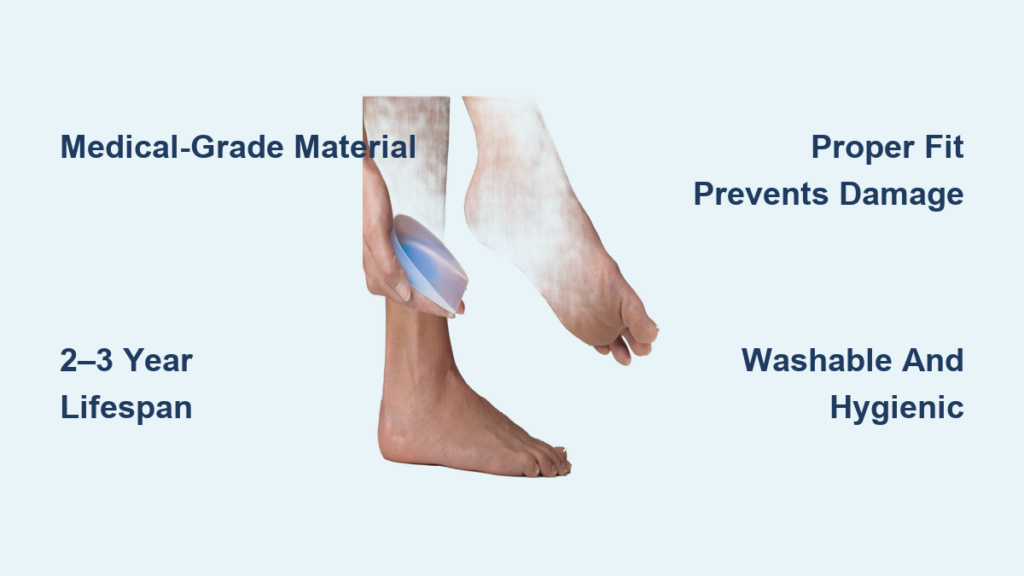
If you’ve ever winced with every step due to sharp heel pain or struggled with dry, cracked heels that won’t heal, a silicone heel cup might be the solution you’ve overlooked. These small, unassuming devices are engineered to cushion, support, and protect your heel—offering immediate relief and long-term foot health benefits. Made from medical-grade silicone or viscoelastic gel, they’re designed to absorb shock, redistribute pressure, and even aid in healing damaged skin. But beyond comfort, one of their standout features is durability. Unlike foam insoles that collapse after a few weeks, high-quality silicone heel cups can remain effective for 2–3 years or more with proper care. In this guide, you’ll discover exactly what a silicone heel cup is, how it works biomechanically, and why its long lifespan makes it a smart investment for anyone dealing with heel pain, plantar fasciitis, or dry skin.
How Silicone Heel Cups Work: More Than Just Cushioning

Silicone heel cups are not merely soft padding—they’re precision-designed to interact with your foot’s natural mechanics. Their effectiveness stems from a combination of advanced material science and thoughtful engineering.
Fat Pad Support and Containment
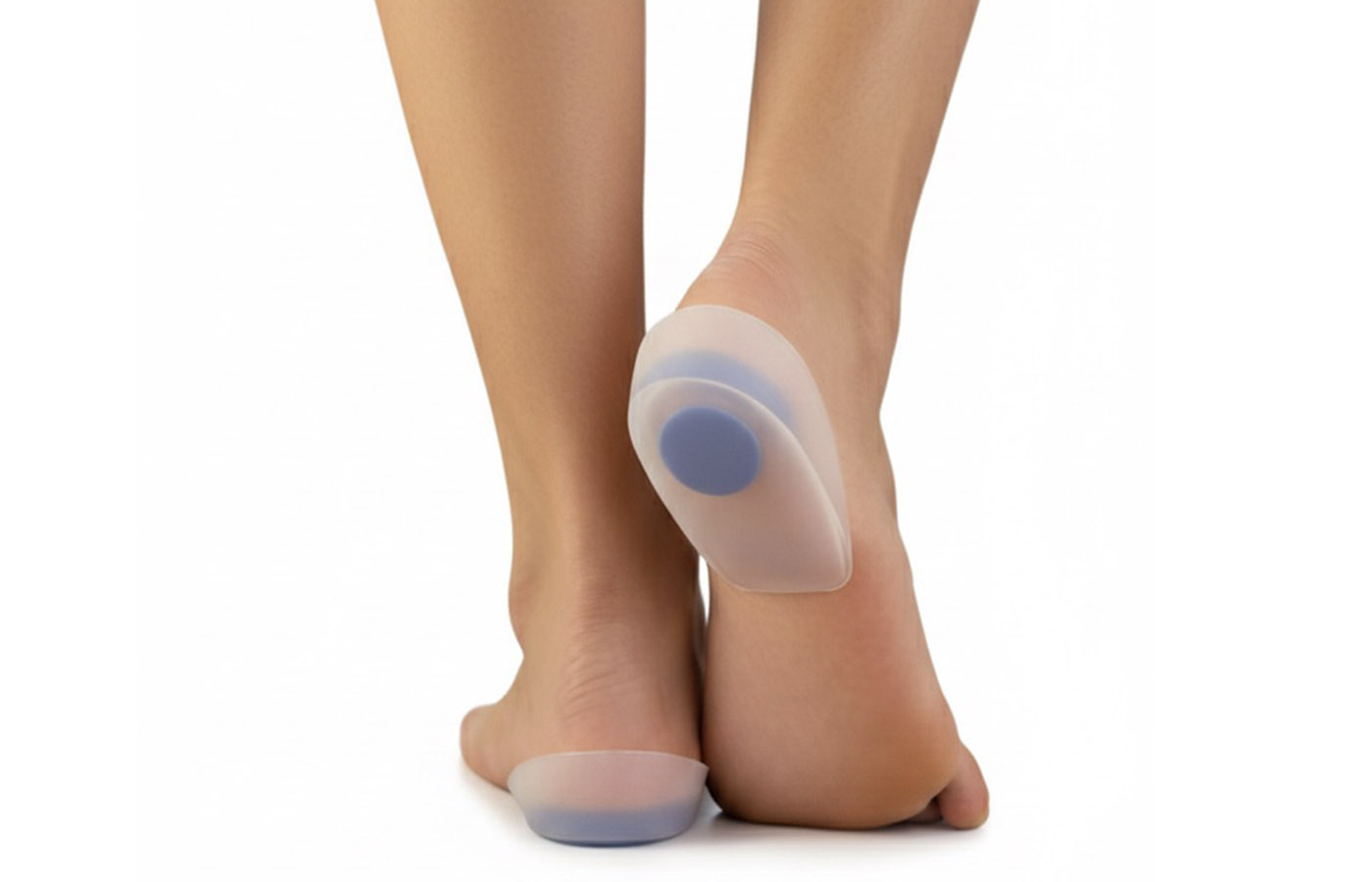
Your heel contains a natural fat pad that acts as a biological shock absorber. Over time, aging, injury, or excessive standing can cause this pad to thin or shift sideways (a condition known as fat pad atrophy). Silicone heel cups feature a raised rim that wraps around the heel, physically containing the fat pad and preventing it from spreading under pressure. This containment helps maintain cushioning directly under the calcaneus (heel bone), reducing painful impact with each step.
Shock Absorption During Walking
Every time your heel strikes the ground, force travels up your legs. Medical-grade silicone is viscoelastic, meaning it compresses slowly under pressure and rebounds gradually—effectively absorbing and dissipating impact energy. This reduces peak forces during heel strike, which can benefit not only your feet but also your knees and lower back. For runners, workers on their feet, or anyone dealing with chronic heel discomfort, this shock absorption offers measurable relief.
Pressure Redistribution for Pain Relief
By increasing the surface area of the heel, silicone cups spread body weight more evenly. This is especially helpful for conditions like plantar fasciitis or heel spurs, where a small area bears disproportionate pressure. Dual-density models often use a softer center for targeted comfort and a firmer outer rim for stability, balancing cushioning with structural support.
Heel Lift Reduces Tendon Strain
Most silicone heel cups add a slight elevation (typically 3–5mm), tilting the foot gently downward (plantarflexion). This reduces tension on the plantar fascia and Achilles tendon, providing immediate relief from morning heel pain or insertional Achilles tendinopathy. However, long-term use without stretching may lead to calf tightness—so they’re best used alongside mobility exercises.
Friction Reduction Prevents Blisters
Silicone’s smooth, non-abrasive surface minimizes rubbing between your heel and shoe. This makes it ideal for athletes, hikers, or workers wearing stiff boots, where friction commonly causes blisters, calluses, and chafing.
Common Uses and Effectiveness
Silicone heel cups serve both therapeutic and preventive roles across a range of foot issues.
Relieves Plantar Fasciitis Pain
While full orthotics correct arch collapse—the root cause of plantar fasciitis—silicone heel cups offer targeted heel cushioning. Clinical studies show up to 84% of users report improvement within months. The viscoelastic material reduces stress on the inflamed plantar fascia, particularly during those painful first steps in the morning.
Manages Heel Spurs and Fat Pad Atrophy
For heel spurs, the cup’s pressure-diffusing design helps reduce pain caused by bony protrusions. In cases of fat pad atrophy—common in older adults or diabetics—silicone cups replace lost natural cushioning, restoring shock absorption and protecting sensitive tissues.
Helps with Sever’s Disease in Kids
Active children often develop heel pain from Sever’s disease, an inflammation of the growth plate. Heel cups provide instant relief by cushioning impact during sports, allowing kids to stay active with less discomfort.
Treats Cracked Heels Overnight
Adjustable silicone heel sleeves (like Heal A Heel) are worn overnight with moisturizers. They create an occlusive barrier that locks in creams, preventing them from rubbing off on sheets. Many users see dramatic improvement in dry, cracked heels within just a few nights.
What Affects Silicone Heel Cup Durability?
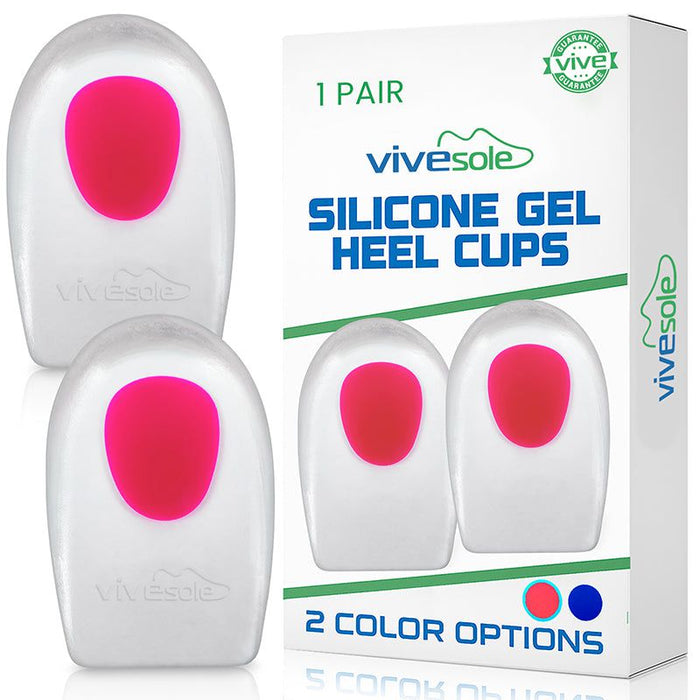
While silicone is inherently resilient, not all heel cups last equally long. Several key factors determine lifespan.
Material Quality Matters Most
Medical-grade silicone resists tearing, maintains shape, and withstands repeated compression. Cheaper alternatives may use low-quality gel or silicone blends that degrade quickly. Always look for products labeled “medical-grade” to ensure longevity.
Design Impacts Longevity
- Full cups are more durable than hollow “donut” designs, which can deform under weight
- Dual-density models offer comfort and support, but layered construction may lead to delamination
- Reinforced rims resist cracking and help maintain structural integrity
Usage Intensity Accelerates Wear
A heel cup used daily in running shoes will wear faster than one used occasionally or overnight. High-impact activities increase compression cycles, which can fatigue the material—especially if the cup is too small or stiff.
How Long Do Silicone Heel Cups Last?
Most high-quality silicone heel cups are built to last 2–3 years or more with regular use and proper care. Unlike foam insoles that flatten in weeks, medical-grade silicone maintains its rebound and shape over time.
Manufacturer and User Reports
- Heal A Heel: Marketed as reusable and long-lasting; some users report over two years of use
- Aetrex: Doctor-recommended, designed for extended wear, though no official lifespan is stated
- Generic brands: Often last only 6–12 months due to inferior materials
Signs It’s Time to Replace
Even durable products wear out. Replace your heel cup if you notice:
– Cracks, tears, or permanent indentations
– Loss of cushioning or bounce
– Odors that won’t wash out
– Poor fit due to deformation
How to Extend the Life of Your Heel Cup
Proper care can significantly extend the lifespan of your silicone heel cup.
Clean Regularly, But Gently
- Spot clean with mild soap and water (Aetrex recommendation)
- Wash in warm, soapy water or boil gently for deep cleaning (Heal A Heel method)
- Never machine wash or dry—heat and agitation can damage the material
Air Dry Only
Always let your heel cup dry naturally at room temperature. Avoid placing it near radiators, heaters, or in direct sunlight—heat can warp or weaken the silicone.
Store Properly When Not in Use
Keep heel cups in a cool, dry place. If storing long-term, avoid stacking heavy items on top to prevent deformation.
Why Fit Affects Durability
A poorly fitting heel cup won’t just be uncomfortable—it can break faster.
Too Tight Causes Cracking
Cups that are too small stretch the silicone beyond its limits, especially around the rim, leading to micro-tears and eventual cracking. Users with larger feet (size 9.5+) often report indentations with one-size-fits-most models.
Too Loose Increases Shear Stress
Loose cups slide and shift inside shoes, creating friction that wears down the material. This movement also reduces effectiveness.
Size Up for Best Results
When in doubt, size up. A slightly looser fit is safer than one that’s too tight. Brands like Aetrex offer size-specific options (S, M, L), while others are one-size. Always check size charts before buying.
Brand Comparison: Durability and Value

| Brand | Price (USD) | Lifespan Estimate | Key Features |
|---|---|---|---|
| Heal A Heel | $20–$21 per cup | 1–2+ years | Adjustable, overnight use, magnetic strap |
| Aetrex | $29.95 | 2–3+ years | Medical-grade, size-specific, doctor-recommended |
| Generic (Welnove, VivoFoot) | $10–$18 | 6–12 months | Budget-friendly, variable quality |
While generic brands are cheaper, they often use inferior materials and don’t last as long.
Silicone vs. Other Materials: Why It Lasts Longer
| Feature | Silicone | Foam/Fabric | Gel Pads |
|---|---|---|---|
| Durability | High – maintains shape for years | Low – flattens quickly | Moderate – may leak |
| Cleanability | Easy – washable | Poor – absorbs moisture | Moderate – wipe only |
| Shock Absorption | Excellent – viscoelastic | Moderate – permanent compression | Good – less support |
| Hygiene | High – non-porous, resists bacteria | Low – holds odor | Moderate |
Silicone’s non-porous surface resists bacteria and odors, making it ideal for long-term, repeated use.
Final Verdict: Are Silicone Heel Cups Worth It?
Yes—especially if you value long-term durability, hygiene, and effective pain relief. Silicone heel cups deliver on their promise of lasting performance. With proper fit and care, they can serve you for years, making them a smart investment for athletes, workers, and anyone dealing with heel pain or dry skin.
Unlike disposable insoles, medical-grade silicone is built to last. Just remember: size correctly, clean gently, and replace when cushioning fades. Used wisely, a silicone heel cup isn’t just a quick fix—it’s a lasting solution for healthier, more comfortable feet.