











For people living with diabetes, a few quiet minutes spent checking their feet each day can mean the difference between staying mobile and facing life-altering complications. Daily foot inspections for diabetics are one of the most powerful—and simplest—tools to prevent serious health issues like infections, ulcers, and even amputations. High blood sugar damages nerves and blood vessels over time, leading to diabetic neuropathy and poor circulation, which dull sensation and slow healing in the feet. This means injuries often go unnoticed until they become severe.
Left unchecked, a small blister or cut can quickly turn into a deep, infected ulcer. In fact, 20% of people with diabetes who develop a foot ulcer will eventually require amputation. But here’s the good news: most of these outcomes are preventable. By making a daily foot check a non-negotiable part of your routine, you can catch problems early, respond quickly, and protect your long-term health. This guide will show you exactly how daily inspections help, how to do them correctly, and what to do when something’s wrong—so you can keep walking forward with confidence.
Early Detection of Foot Injuries
Catching small issues before they become big problems is the number one reason daily foot checks matter. With nerve damage, you may not feel pain from a pebble in your shoe or a developing blister. Without daily visual inspection, these minor irritations can worsen silently.
Spot Cuts, Blisters, and Sores Early
Even tiny wounds can become dangerous for diabetics. Reduced blood flow means slower healing, and high glucose levels weaken the immune response. Daily inspections help you notice:
– Small cuts or scrapes from stepping on sharp objects
– Blisters caused by friction from shoes
– Redness or swelling indicating early inflammation
– Warm spots that may signal infection
– Skin breaks between toes, where moisture breeds fungus
Seeing these early signs allows you to clean and protect the area before infection sets in.
Identify Pre-Ulcer Changes
Before an open sore forms, the skin often shows warning signs:
– Calluses or thickened skin under pressure points
– Persistent redness that doesn’t fade when pressed
– Discoloration (blue, purple, or pale patches)
– Shiny, tight skin from poor circulation
These are pre-ulcerative markers. Acting at this stage—by offloading pressure and seeking care—can stop ulcers before they start.
Prevent Diabetic Foot Ulcers
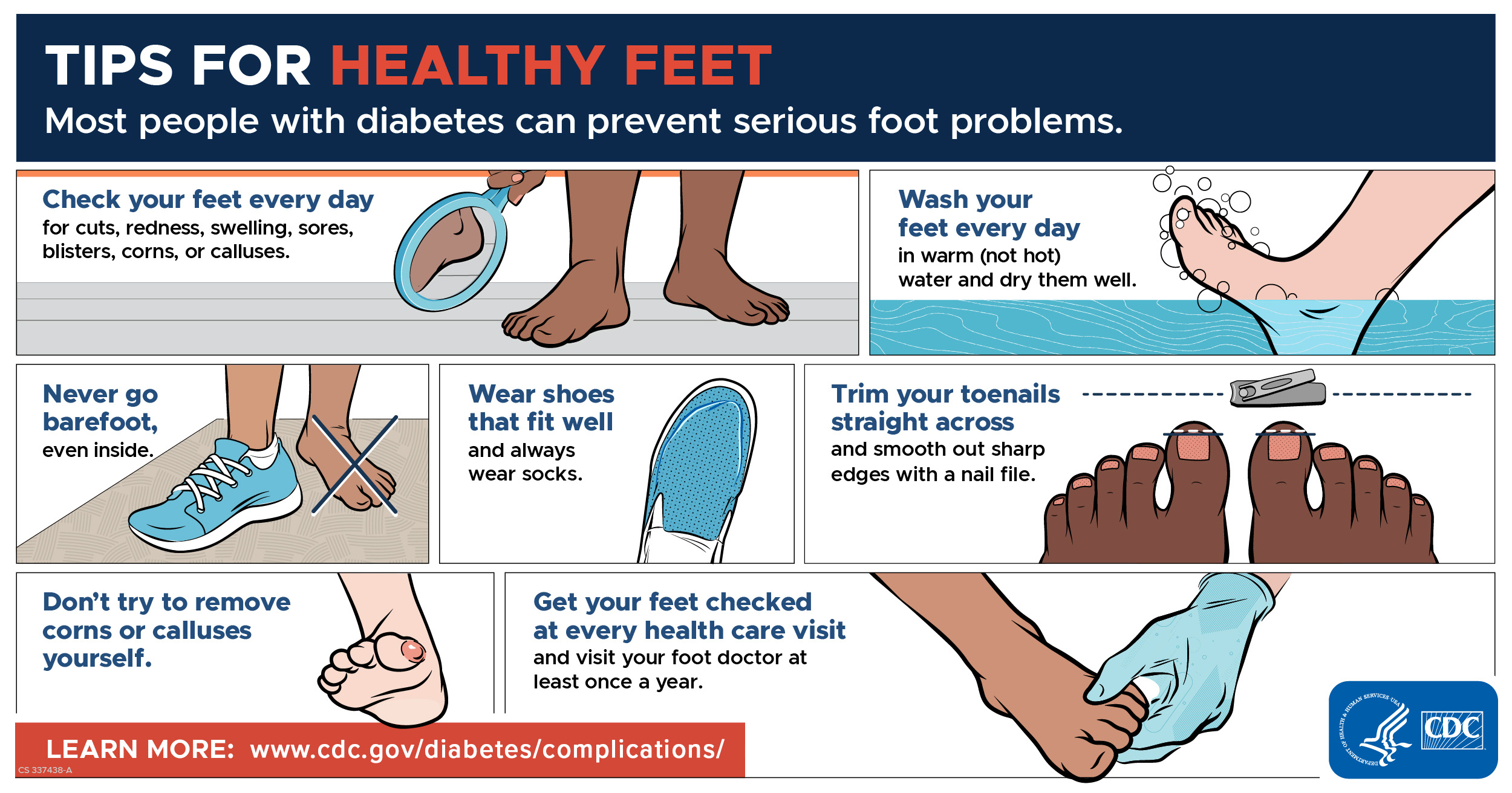
Foot ulcers affect millions of people with diabetes worldwide and are a leading cause of hospitalization. But daily foot inspections are a proven first line of defense.
Reduce Ulcer Risk by 50% or More
Studies show that consistent self-checks, combined with proper footwear and foot care, can cut the risk of developing ulcers by up to 85%. The key is frequency and thoroughness. A quick glance isn’t enough—your inspection must cover every surface of the foot.
Know the High-Risk Zones
Ulcers most often form on pressure points:
– Bottom of the big toe
– Ball of the foot
– Heel
– Sides of bunions or hammertoes
Use a mirror or ask a caregiver to check these areas daily. Early redness or callus buildup here needs immediate attention.
Lower Amputation Risk
Amputation is not an inevitable outcome of diabetes. In fact, up to 80% of lower-limb amputations in diabetics are preventable—and daily foot inspections are a cornerstone of prevention.
Stop Infections Before They Spread
Untreated ulcers can lead to:
– Deep tissue infection
– Osteomyelitis (bone infection)
– Gangrene
Once infection reaches the bone, amputation may be the only option. Daily checks help you catch wounds early, when they’re still treatable with basic care or minor medical intervention.
Recognize Warning Signs of Severe Issues
If you see any of these, contact your doctor immediately:
– Open wound that won’t heal
– Pus or foul odor
– Black or dark tissue (necrosis)
– Sudden swelling or warmth
– Foot feels cold or pale (sign of poor circulation)
Time is tissue—every day counts when infection is possible.
Monitor Circulation and Nerve Health

Your daily foot check isn’t just about looking—it’s about feeling and comparing. These simple tests give you real-time feedback on your foot health.
Check Skin Temperature Daily
Use the back of your hand to compare both feet:
– Warmer foot? Could mean inflammation or infection.
– Cooler foot? May signal reduced blood flow.
A noticeable difference is a red flag—even without visible injury.
Test for Numbness and Tingling
Lightly run a cotton ball or your fingers over:
– Top of the foot
– Sole
– Between toes
If you can’t feel the touch, you have sensory loss from neuropathy. This means you’re at higher risk and must rely more on visual checks.
Watch for Swelling and Pitting
Press your thumb into the skin on the top of the foot:
– Indent remains? That’s “pitting edema,” which can signal poor circulation or heart/kidney issues.
– Swelling in one foot only? Could be a blood clot—seek care fast.
Improve Wound Healing Outcomes
Diabetes slows healing, but early detection speeds up recovery. The sooner you treat a wound, the better your chances of full healing.
Act Within 24 Hours of Injury
Even minor wounds need prompt care:
1. Rinse gently with warm water and mild soap.
2. Pat dry and apply antibiotic ointment if no allergy.
3. Cover with non-stick gauze and a clean bandage.
4. Keep pressure off the area (avoid walking barefoot).
Monitor Daily for Infection
Check the wound each day for:
– Increased redness or swelling
– Warmth around the area
– Pus or yellow/green discharge
– Fever or chills
If any of these appear, call your doctor within 24 hours.
Boost Self-Care and Awareness
Daily foot inspections do more than protect your feet—they empower you to take control of your diabetes.
Build Health Confidence
Regular checks help you:
– Recognize normal vs. abnormal foot appearance
– Understand your body’s patterns
– Communicate better with your doctor
When you know your feet, you can speak up fast when something’s wrong.
Keep a Foot Care Journal
Use a simple log to track:
– Date and time of inspection
– What you saw (e.g., “red spot under heel”)
– Actions taken (e.g., “applied bandage, avoided walking”)
– Doctor visits or calls
This record helps your care team see trends and respond faster.
How to Perform a Daily Foot Check
A structured routine ensures you don’t miss anything. Follow these steps every day—preferably at the same time, like after showering or before bed.
Choose a Consistent Time and Place
- Pick a well-lit area with a chair.
- Use a handheld mirror to see the soles.
- Keep tools handy: magnifying glass, cotton ball, notepad.
Wash and Dry Feet Properly
- Use warm (not hot) water and mild soap.
- Scrub between toes—this area traps moisture.
- Dry completely, especially between toes, to prevent fungus.
Inspect All Foot Surfaces
Check each area carefully:
– Top of foot: Swelling, redness, skin changes
– Sides: Blisters, shoe rubs
– Between toes: Peeling, odor, redness
– Toes: Ingrown nails, discoloration
– Soles: Use a mirror for ulcers, calluses, or stuck objects
Examine Toenails Closely
Look for:
– Thick, yellow nails (fungal infection)
– Ingrown edges (nail growing into skin)
– Pain or pus around nail
Never cut ingrown nails yourself—see a podiatrist.
Assess Skin Condition
- Dry, cracked skin? Apply moisturizer (not between toes).
- Calluses? Don’t cut them—use a pumice stone gently or see a pro.
- Blisters? Leave intact if possible; cover with a bandage.
Test Sensation and Temperature
- Touch test: Use cotton ball on soles and tops.
- Temp check: Compare feet with back of hand.
- Note numbness or burning pain—signs of nerve damage.
Document and Act on Findings
- Log any changes, no matter how small.
- Contact your doctor if you see:
- Open sore
- Signs of infection
- Non-healing wound
- Sudden color or temperature change
Support Your Foot Health Daily

Inspection is just one part of a full foot care plan. Combine it with these habits for maximum protection.
Wear Proper Footwear
- Choose diabetic shoes with wide toe boxes.
- Avoid tight, pointed, or high-heeled shoes.
- Always wear clean, moisture-wicking socks.
- Never go barefoot, even indoors.
Check Shoes Before Wearing
- Shake out shoes to remove pebbles or debris.
- Feel inside for rough spots or seams.
- Rotate shoes to avoid repeated pressure.
Trim Toenails Safely
- Cut straight across—don’t round the corners.
- Don’t cut too short.
- Use clean, sharp clippers.
- Consider long-handled tools if you have trouble bending.
Avoid Temperature Extremes
- No heating pads or hot water bottles—you might burn yourself.
- Test bathwater with your elbow or thermometer (safe: 90–100°F).
- Wear warm socks in cold weather—never use direct heat.
Promote Blood Flow
- Walk daily or try swimming or cycling.
- Do ankle circles and toe wiggles 3–5 times a day.
- Avoid crossing legs—it restricts circulation.
Get Regular Professional Care
Daily self-checks work best alongside expert care.
Annual Diabetic Foot Exam
See your doctor yearly for:
– Monofilament test (checks sensation)
– Pulse check (assesses circulation)
– Reflex and muscle strength tests
– Foot structure evaluation
These tests identify high-risk feet before problems start.
See a Podiatrist Regularly
If you have:
– Neuropathy
– Poor circulation
– History of ulcers
Schedule podiatry visits every 3–6 months. They can:
– Trim nails and calluses safely
– Fit you for custom orthotics or diabetic shoes
– Treat infections early
– Monitor healing
Many insurance plans cover diabetic footwear—ask your provider.
Adapt for Vision or Mobility Issues
If bending or seeing is hard, don’t skip your check—adapt it.
Use Helpful Tools
- Long-handled mirror or mirror on a stand
- Magnifying glass with light
- Long-handled nail clippers
- Camera on phone to take foot photos
Ask for Help
Have a family member or caregiver check your feet daily. Show them what to look for—redness, swelling, cuts, or changes.
What to Do If You Find a Wound
Don’t panic—but don’t wait. Follow this protocol:
Immediate Wound Care Steps
- Clean gently with soap and water.
- Pat dry and apply mild antiseptic ointment.
- Cover with non-stick gauze and bandage.
- Keep weight off the foot.
- Monitor daily for infection.
When to Call Your Doctor
Contact your healthcare provider within 24 hours if:
– Wound doesn’t improve in 2–3 days
– You see redness, pus, or swelling
– You have fever or chills
– The wound is deep or won’t stop bleeding
For non-healing ulcers, ask about Wound Care and Hyperbaric Medicine Centers—specialized clinics that speed healing.
Final Note: Your Feet, Your Future
Daily foot inspections for diabetics are not optional—they’re essential. This simple 3- to 5-minute routine can prevent life-changing complications, reduce hospital visits, and keep you walking independently for years. When combined with proper shoes, blood sugar control, and professional care, it forms the foundation of diabetic foot health.
Make it a habit. Do it every day. Your feet can’t always tell you when something’s wrong—so you have to look for them. Your future self will thank you.