








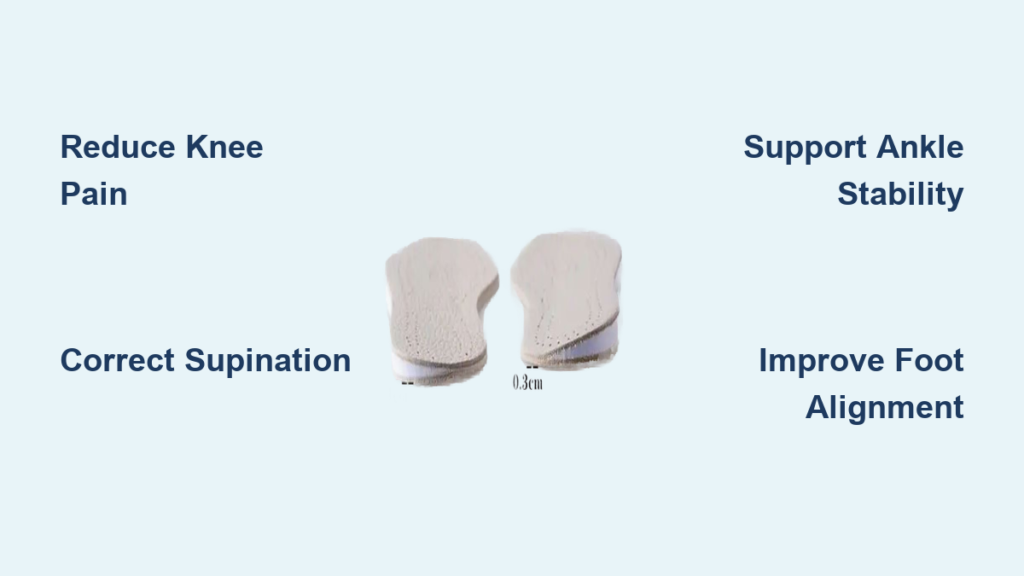
If you’ve ever experienced persistent pain on the inside of your knee or discomfort along the outer edge of your foot, especially during walking or standing, lateral wedge insoles could be a game-changing solution. These specialized shoe inserts are designed to subtly reposition the foot by elevating the outer (lateral) side, altering how forces travel up the leg. This small shift can significantly reduce stress on the inner knee joint and ease strain on the tendons and ligaments of the outer ankle.
Lateral wedge insoles work by encouraging the foot to roll inward slightly (eversion), counteracting excessive outward rolling (supination). This adjustment helps redistribute weight more evenly across the foot and reduces harmful loading forces on the medial compartment of the knee—a key factor in medial knee osteoarthritis. They’re also beneficial for people with peroneal tendonitis or chronic ankle instability, where rigid, high-arched feet increase mechanical stress on lateral structures.
However, these insoles aren’t a universal fix. Research shows that only about 75% of users experience beneficial biomechanical changes, while others may see no improvement—or even worsening symptoms. The difference between success and failure often comes down to proper screening and individual biomechanics. In this guide, we’ll explore exactly who benefits from lateral wedge insoles, how they work, when they should be avoided, and how to use them safely and effectively.
How Lateral Wedge Insoles Alter Lower Limb Mechanics
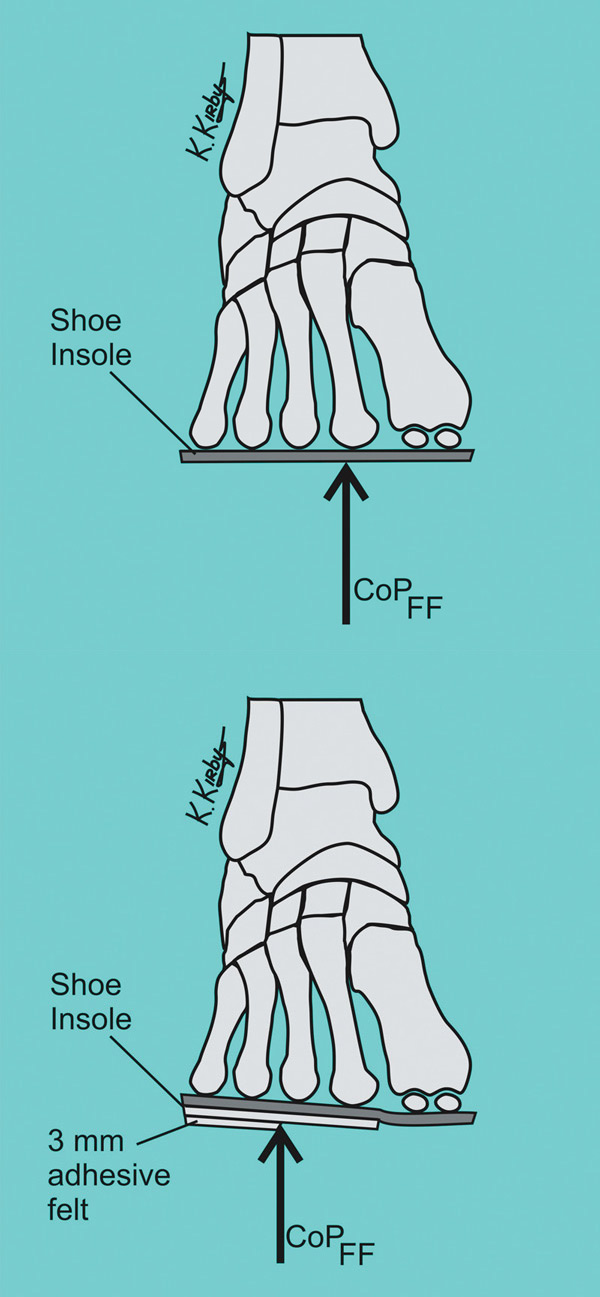
Lateral wedge insoles are more than padding—they’re precision tools that influence the entire lower kinetic chain. By raising the outer edge of the foot, they initiate a cascade of biomechanical adjustments that affect ankle, knee, and even hip alignment.
Promoting Foot Eversion and Reducing Supination
The core function of a lateral wedge is to induce controlled foot eversion, helping correct excessive supination (underpronation). People with high arches or rigid feet often supinate, placing increased pressure on the lateral foot and straining the peroneal tendons. The wedge gently shifts the center of pressure inward, promoting a more neutral foot posture during stance and gait.
This realignment:
– Decreases lateral foot loading
– Improves subtalar joint balance
– Reduces strain on ankle stabilizers
For runners, dancers, or those on their feet all day, this can mean less pain and improved stability on uneven terrain.
Reducing Knee Adduction Moment (KAM)
One of the most studied benefits of lateral wedges is their ability to lower the knee adduction moment (KAM)—a measure of how much force compresses the inner knee during walking. High KAM is strongly linked to medial knee osteoarthritis, both in pain severity and disease progression.
By changing the angle of ground reaction forces, lateral wedges aim to “unload” the medial compartment. On average, they reduce KAM by 5–6%, though individual responses vary widely. Some patients show no change; others may even experience increased medial loading, highlighting the need for personalized evaluation.
Effects on the Full Kinetic Chain
The impact of a lateral wedge extends beyond the foot and knee:
– Reduced internal tibial rotation helps stabilize knee alignment
– Lower varus torque at the knee decreases cartilage wear
– Improved hip mechanics may reduce compensatory strain
But improper use—especially wearing the wedge in just one shoe—can disrupt symmetry, leading to pelvic tilt or lower back pain. That’s why balanced, intentional alignment correction is essential.
Who Benefits From Lateral Wedges for Knee Pain?
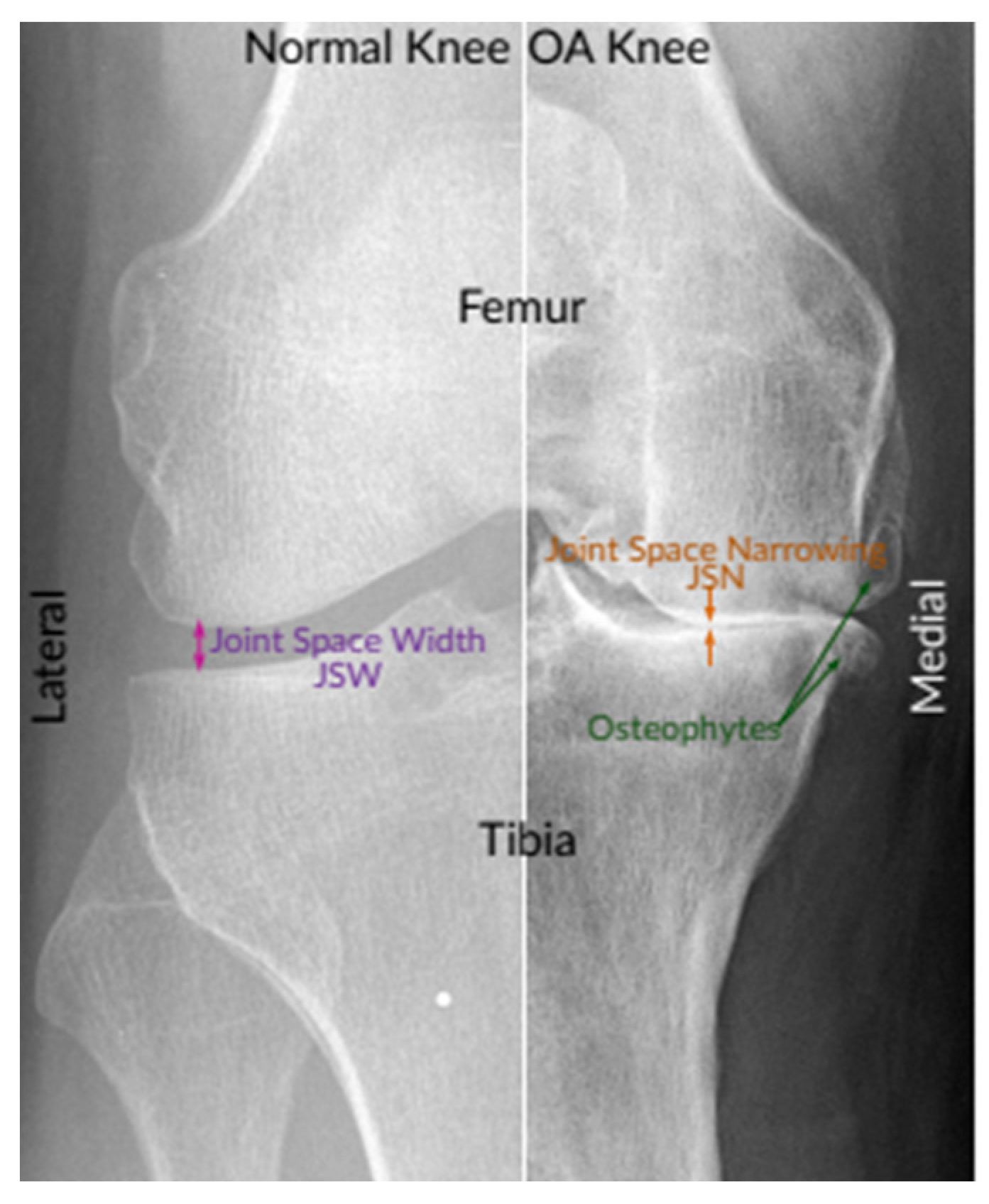
For individuals with medial knee osteoarthritis, lateral wedge insoles offer a non-invasive way to reduce joint stress. But not everyone responds the same way—and identifying the right candidates is critical.
Targeting Medial Compartment Overload
Medial knee OA develops when cartilage in the inner knee wears down due to chronic overloading. The knee adduction moment (KAM) is a reliable predictor of both pain and disease progression. Lateral wedges aim to shift load away from this damaged area by altering foot alignment.
While the average KAM reduction is modest (5–6%), even small decreases can translate into meaningful pain relief for biomechanically responsive individuals.
Evidence of Pain Relief
A well-designed trial with 62 patients found:
– 0.6-point reduction in overall knee pain (on a 0–10 scale) after 8 weeks
– 1.0-point drop in activity-related pain (p = 0.001)
– No significant improvement in functional scores (KOOS)
This suggests that while mobility may not improve immediately, pain reduction alone can enhance quality of life and delay more invasive treatments like injections or surgery.
The Critical Role of Patient Screening
Many studies show no benefit from lateral wedges—but a major flaw is lack of screening. When all patients are included regardless of biomechanics, treatment effects get diluted.
One landmark study found that only those who showed at least a 2% reduction in KAM during gait analysis actually benefited. Of 192 screened patients, 21 (11%) were biomechanical non-responders despite meeting clinical criteria.
This proves a crucial point: not all medial knee OA patients should use lateral wedges. The best candidates must be identified through objective testing.
Symptomatic Relief, Not Disease Modification
While lateral wedges can reduce pain, they don’t appear to slow structural damage. Imaging studies show:
– No significant reduction in bone marrow lesions
– No measurable impact on cartilage loss over time
So these insoles provide symptomatic relief, not disease modification. They’re best used as part of a broader conservative plan—including weight management, physical therapy, and activity modification.
Managing Lateral Foot and Ankle Conditions
Beyond knee pain, lateral wedge insoles are valuable for treating foot and ankle issues linked to excessive supination.
Treating Peroneal Tendonopathy
Peroneal tendonitis involves inflammation or degeneration of tendons behind the outer ankle, common in athletes and those with high arches. Excessive supination increases tension on these tendons with every step.
Lateral wedges help by:
– Promoting foot eversion
– Reducing peroneal muscle activation
– Lowering tendon strain
Patients often report less pain during walking and better tolerance for rehabilitation exercises.
Preventing Recurrent Ankle Sprains
People with chronic ankle instability—often from repeated sprains—are prone to rolling outward (inversion injuries). A lateral wedge improves stability by:
– Aligning the foot in a more neutral position
– Reducing supination during midstance
– Enhancing proprioceptive feedback
Used during rehab, the wedge supports healing and lowers reinjury risk.
Long-Term Use Considerations
- Acute sprains: Use for 4–8 weeks during recovery
- Chronic instability: May require long-term or permanent use, especially with structural malalignment
Combining wedges with balance training and strengthening exercises often yields the best outcomes.
Enhancing Results With Custom Orthotics
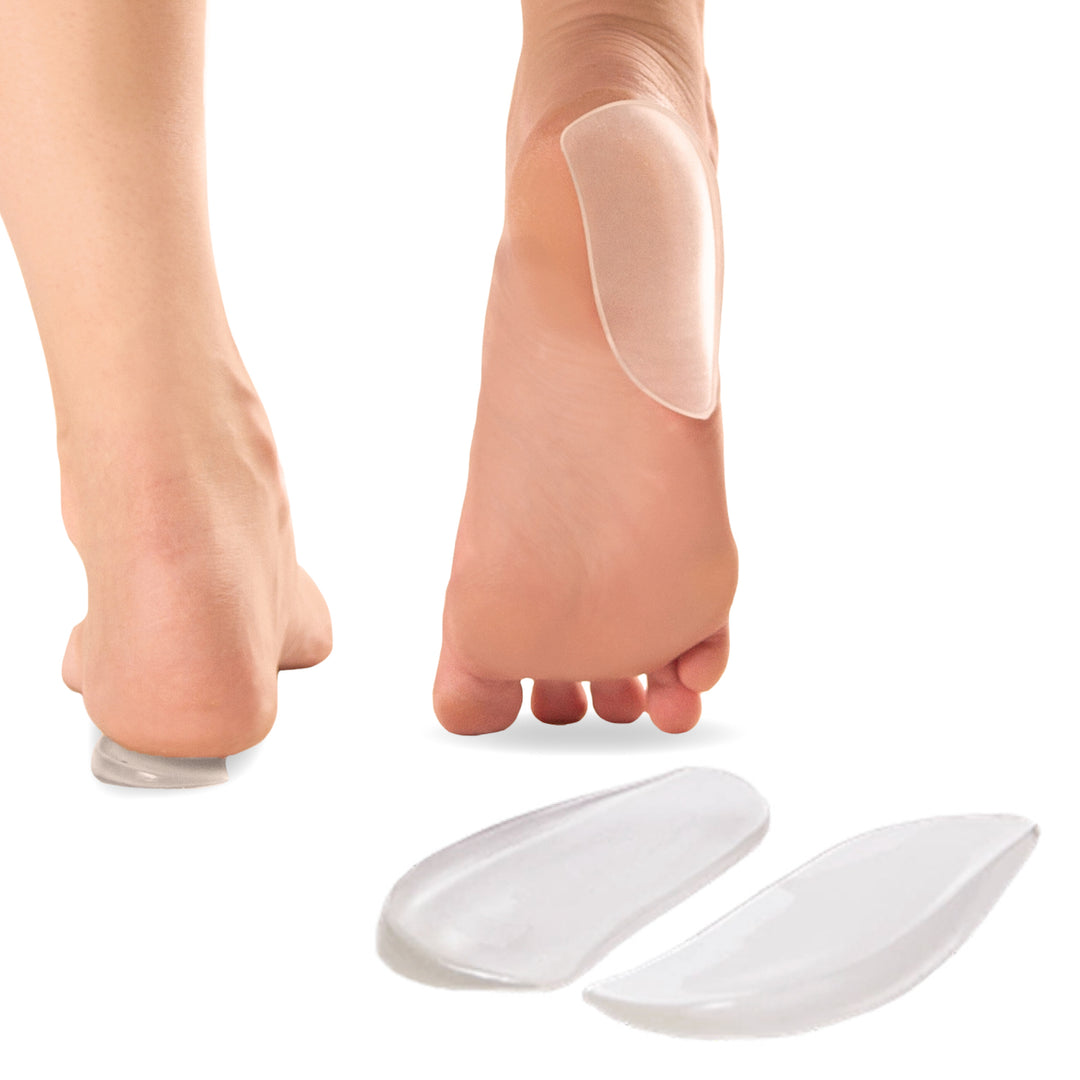
Lateral wedges don’t have to work alone. For patients with complex biomechanics, pairing them with custom arch supports can significantly boost effectiveness.
Synergy With Arch Support
A University of British Columbia study tested adding a 5° lateral wedge under existing orthotics in 25 patients with medial knee OA. Results:
| Outcome | Wedge Alone | Wedge + Arch Support |
|---|---|---|
| Pain Improvement (≥17% WOMAC) | 54% | 64% |
| Function Improvement (≥12% gain) | 58% | 77% |
Arch supports control overpronation, while lateral wedges fine-tune frontal plane alignment—together, they optimize foot-knee mechanics.
Practical Tips for Combination Use
- Use trimmable lateral wedge inserts
- Ensure shoes have deep heel cups and removable insoles
- Start with 3–5° wedges and adjust based on comfort
- Monitor for pressure points or discomfort
Ideal for patients with mixed biomechanics—like mild pronation with medial knee loading.
Who Should Use (and Avoid) Lateral Wedge Insoles?
Success depends on matching the right patient to the right intervention.
Ideal Candidates
- Medial knee OA patients with:
- Radiographic joint space narrowing (KL 2–4)
- Medial joint line tenderness
- No patellofemoral or lateral OA
- ≥2% KAM reduction on gait analysis
- Foot/ankle patients with:
- Peroneal tendonitis
- Recurrent ankle sprains
- Visible supination
- Activity-related lateral pain
Who Should Avoid Them
- Patellofemoral OA – may increase lateral knee pressure
- Lateral compartment OA – worsens joint imbalance
- Biomechanical non-responders – no KAM reduction
- Severe foot deformities – need custom orthotics instead
- Unilateral use without supervision – risks gait asymmetry
Risks and How to Use Safely
Despite being low-risk, improper use can cause problems.
Potential Side Effects
- Bursitis under big toes due to increased forefoot pressure
- Worsened plantar fasciitis or metatarsalgia
- Increased patellofemoral pain from lateral joint compression
- Compensatory gait changes affecting hips or spine
Minimizing Risk
- Start with 3–5° wedges
- Wear at least 4 hours/day to assess response
- Gradually increase over 2–4 weeks
- Discontinue if new pain develops
- Consider gait analysis before long-term use
Practical Guidelines for Best Results
- Wear time: At least 4 hours daily (walking, shopping, work)
- Wedge angle: 5° is most effective; 3° for sensitive users
- Footwear: Choose shoes with removable insoles and deep interiors
- Monitoring: Track pain changes over 4–8 weeks; reassess if no improvement
- Combination therapy: Pair with physical therapy or gait retraining for enhanced outcomes
Final Note: Lateral wedge insoles are a targeted, evidence-backed tool—not a one-size-fits-all solution. When used wisely, especially after biomechanical screening, they can reduce knee pain, improve ankle stability, and enhance mobility. But indiscriminate use risks ineffective treatment or even harm. The key is personalization: matching the right patient, the right wedge, and the right support system for lasting benefit.