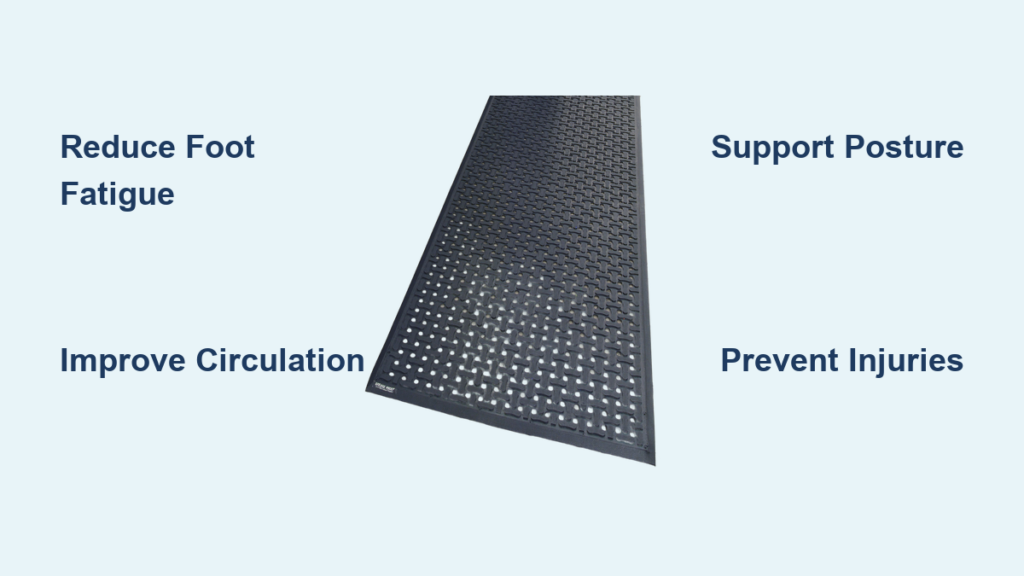
Standing on hard kitchen floors for extended periods—whether chopping vegetables, simmering sauces, or scrubbing dishes—might seem like a minor inconvenience. But over time, it leads to real physical strain. If your kitchen has tile, stone, or hardwood flooring, every minute on your feet contributes to foot pain, leg fatigue, joint stress, and even long-term circulatory issues. Enter anti-fatigue mats in the kitchen—not just soft floor coverings, but scientifically designed ergonomic tools that actively reduce physical strain and improve comfort.
These mats are engineered to combat the negative effects of static standing by combining shock absorption with micro-instability, prompting subtle muscle movements in your legs and feet. This boosts blood flow, supports better posture, and delays fatigue. Originally developed for industrial work environments, anti-fatigue technology is now a game-changer for home kitchens, especially for those who cook regularly, have chronic pain, or stand for more than 30 minutes at a time. In this guide, you’ll discover how these mats work, their proven benefits, where to place them, and what to look for to ensure you’re getting real ergonomic value—not just a decorative rug.
Reduce Leg and Foot Fatigue
Prolonged standing on rigid kitchen floors places continuous pressure on your feet, ankles, and lower limbs. This leads to cumulative discomfort, soreness, and even injury over time. Anti-fatigue mats are specifically designed to absorb impact and reduce joint loading, making long kitchen sessions far more comfortable.
How Cushioning Relieves Strain
Hard surfaces like tile or concrete transmit force directly through your body with every weight shift. This constant micro-impact stresses the plantar fascia, metatarsals, and Achilles tendon, increasing the risk of pain and inflammation. Anti-fatigue mats made from rubber, polyurethane, or high-density foam compress slightly under your weight, acting as a shock-absorbing layer that reduces the force traveling up your legs.
Research shows that cushioned flooring can reduce impact forces by up to 50%, significantly lowering the risk of discomfort and injury. Users consistently report immediate relief when switching from bare floors or thin rugs to a proper anti-fatigue mat—especially during tasks like meal prep or dishwashing that involve standing in one place for 20 minutes or more.
Prevent Static Muscle Lock
On hard floors, your leg muscles tend to lock into static positions, reducing circulation and accelerating fatigue. Anti-fatigue mats introduce slight instability, prompting micro-movements—tiny adjustments in balance and posture—that keep your muscles active without conscious effort. These small contractions prevent stiffness, maintain muscle tone, and delay the onset of fatigue, allowing you to stand longer with less discomfort.
Improve Blood Circulation
One of the most significant yet overlooked benefits of anti-fatigue mats is their ability to enhance blood flow in your lower extremities. Standing still for long periods—especially on hard surfaces—can cause blood to pool in your legs, leading to swelling, heaviness, and increased risk of vascular problems.
Activate the Muscle Pump
Anti-fatigue mats stimulate the “muscle-pump” mechanism in your calves and feet. As you make constant micro-adjustments on the slightly unstable surface, your muscles contract rhythmically. These contractions help push blood back toward your heart, improving venous return and preventing stagnation.
This is crucial for avoiding:
– Swollen feet and ankles
– Development of varicose veins
– Increased risk of deep vein thrombosis (DVT) in at-risk individuals
Improved circulation also helps maintain energy levels, reducing the “heavy leg” feeling that many people experience after long kitchen sessions.
Ideal for At-Risk Groups
People with poor circulation, diabetes, or existing varicose veins benefit greatly from anti-fatigue mats. The enhanced blood flow helps prevent complications related to prolonged static standing, making the kitchen a safer, more comfortable space for daily use.
Support Better Posture
Standing on a hard floor often forces your body into poor posture. You may lean on counters, shift weight unevenly, or lock your knees—all of which strain your spine and contribute to chronic back pain. Anti-fatigue mats encourage dynamic standing, helping you maintain proper alignment.
Encourage Natural Alignment
The slight give in an anti-fatigue mat promotes neutral posture by allowing natural weight shifts. This keeps your pelvis aligned and your spine in a healthy, upright position, reducing stress on the lower back and preventing slouching or hunching during long tasks.
Reduce Lower Back Strain
The lumbar spine bears much of the load during extended standing. By absorbing shock and promoting movement, anti-fatigue mats reduce compressive forces on spinal discs. This is especially helpful at the sink, stove, or kitchen island—areas where you’re likely to stand still for minutes at a time.
Users with existing back pain or disc issues often notice a dramatic improvement in comfort after installing a mat, allowing them to cook and clean without constant discomfort.
Boost Focus and Productivity
Physical discomfort is a major distraction. When your feet hurt or your back aches, your attention shifts from cooking to relief. Anti-fatigue mats remove this barrier, helping you stay focused and efficient.
Stay Engaged Longer
With less fatigue, you can:
– Work longer without needing to sit down
– Maintain precision during detailed tasks (e.g., chopping, whisking, baking)
– Reduce mental fatigue caused by physical strain
OSHA and occupational health studies confirm that workers in environments with anti-fatigue matting report higher productivity and fewer breaks. The same applies in home kitchens—especially for meal preppers, bakers, or those who entertain frequently.
Create a Healthier Cooking Environment
A comfortable kitchen is a more enjoyable kitchen. When you’re not fighting pain, cooking becomes less of a chore and more of a pleasure. This can lead to healthier eating habits, more home-cooked meals, and greater overall satisfaction with daily routines.
Prevent Long-Term Injuries
Repeated exposure to hard standing surfaces increases the risk of developing chronic musculoskeletal disorders (MSDs). Anti-fatigue mats act as a preventive tool, reducing the wear and tear on your body over time.
Lower Risk of Common MSDs
Regular use of anti-fatigue mats helps prevent:
– Plantar fasciitis: Inflammation of the foot’s connective tissue
– Tendonitis: Overuse injury in the Achilles or knee tendons
– Hip and knee joint degeneration: Caused by repetitive impact
– Chronic lower back pain: Resulting from poor posture and spinal compression
These conditions develop gradually, making early prevention essential. A high-quality mat is a proactive investment in long-term mobility and joint health.
Essential for Frequent Cooks
If you spend more than 30 minutes a day on your feet in the kitchen—especially on hard flooring—an anti-fatigue mat isn’t a luxury. It’s a necessary ergonomic aid that protects your body from daily stress.
Optimal Mat Placement Zones

To get the most benefit, place anti-fatigue mats where you stand the longest. Strategic positioning ensures you’re protected during the most physically demanding tasks.
In Front of the Sink
Dishwashing, rinsing produce, and cleaning counters happen here. This zone often involves 10–30 minutes of static standing, making it a prime spot for a mat.
Look for: Water-resistant, non-slip surface to handle splashes and wet shoes.
At the Stove or Cooktop
Cooking requires focus and stillness—simmering sauces, flipping pancakes, or roasting vegetables. A mat here keeps you stable and comfortable during long sessions.
Pro tip: Choose a heat-resistant mat if your stove radiates high temperatures.
Near the Kitchen Island or Prep Counter
Chopping, mixing, and rolling dough are repetitive tasks that keep you rooted in one spot. A mat here enhances comfort and precision.
Ideal size: At least 60cm x 90cm (24” x 36”) to allow for natural movement.
By the Refrigerator or Pantry (Optional)
If you frequently stand while planning meals or gathering ingredients, a smaller mat here can reduce cumulative fatigue over the day.
Choose Mats with Key Features

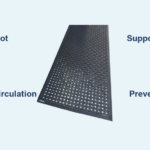
Not all kitchen mats deliver real anti-fatigue benefits. Many decorative or thin foam mats offer little more than visual appeal. To ensure effectiveness, look for these essential features.
Minimum 15–20mm Thickness
- Mats thinner than 15mm (0.6 inches) lack sufficient cushioning.
- 19mm (¾ inch) is ideal—thick enough to absorb impact but not so thick it becomes unstable.
- Avoid low-density foam that flattens within months.
Heavyweight for Stability
- Lightweight mats slide easily on tile or hardwood, creating a tripping hazard.
- Choose mats weighing 5kg or more—heavier models like Stand-Safe (6.6kg) stay firmly in place without tape or adhesives.
Non-Slip Surface and Backing
- Textured or ribbed top prevents slipping, even when wet.
- Rubber backing grips the floor securely, resisting movement during use.
Easy to Clean and Maintain
Kitchens are high-spill zones. Your mat must withstand:
– Grease and oil splatters
– Food debris
– Water and cleaning chemicals
Best materials: Rubber, PVC, polyurethane—waterproof, stain-resistant, and wipe-clean.
Beveled Edges for Safety
- Prevent tripping by allowing smooth foot transitions.
- Reduce edge curling, a common issue with cheap foam mats.
- Protect hardwood floors from scuffing.
Size Matters: 60 x 90cm Minimum
- Small mats force rigid standing.
- A 60 x 90cm (24” x 36”) mat allows natural movement.
- For larger spaces, consider mat runners or interlocking mats.
Durable Materials That Last
A quality anti-fatigue mat should last for 3–5 years or more. Look for materials that resist compression, heat, and wear.
Compression Recovery
High-quality mats return to shape after use. Industrial-grade rubber and polyurethane maintain cushioning over time.
Heat and UV Resistance
Prevents warping near stoves or sunny windows.
Chemical and Wear Resistance
Resists degradation from cleaning agents, oils, and dropped utensils.
Style Meets Function
Modern anti-fatigue mats come in neutral tones, artistic patterns, and customizable sizes, blending ergonomics with kitchen aesthetics.
Use Beyond the Kitchen
These mats are also ideal for laundry rooms, bathrooms, home offices (with standing desks), and workshops.
Who Needs a Kitchen Anti-Fatigue Mat?
Ideal Users:
- Cooks standing 30+ minutes daily
- People with foot, knee, or back pain
- Bakers, meal preppers, or entertainers
- Older adults or those with circulatory issues
- Homes with hard flooring
Less Necessary For:
- Users under 15–20 minutes daily
- Kitchens with cushioned or soft flooring
- Those using thick, supportive rugs
Cost vs. Long-Term Value

Price Ranges:
- £10–£30: Thin decorative mats—minimal benefit
- £80–£120: Mid-range gel or foam—shorter lifespan
- £81–£94.50: Industrial-grade (e.g., Stand-Safe)—durable, long-term
A high-quality mat is a health investment that pays off in comfort, injury prevention, and daily enjoyment.
Final Note: Anti-fatigue mats do work—but only if they’re properly designed. For real benefits, choose a mat that’s 15–20mm thick, made from industrial-grade rubber or polyurethane, weighs 5kg+, and features non-slip backing and beveled edges. The science is clear: these mats reduce fatigue, improve circulation, protect your joints, and make cooking more enjoyable. Whether you’re on your feet for 30 minutes or 3 hours, a quality anti-fatigue mat belongs in every hard-surfaced kitchen.